How to Fix Your Teeth After Not Wearing a Retainer
Apr 28, 2022
Key Takeaways
- Teeth can shift after you stop wearing your retainer, even years after braces or Invisalign treatment.
- If your old retainer no longer fits properly or causes pain, don’t force it onto your teeth.
- A small amount of tooth movement doesn’t automatically mean you need braces again. The next step depends on how much your teeth and bite have changed.
- A dental evaluation can help determine whether a replacement retainer, Invisalign, or another orthodontic treatment may be appropriate.
Maybe you started skipping your retainer occasionally, then realized months or even years had passed since you last wore it. Now your front teeth look a little more crowded, a gap has appeared, or your old retainer feels much tighter than you remember.
If your teeth have shifted, you may be wondering whether you’ve undone your orthodontic treatment or need braces all over again. The answer depends on how far your teeth have moved and whether the changes affect your smile, your bite, or both.
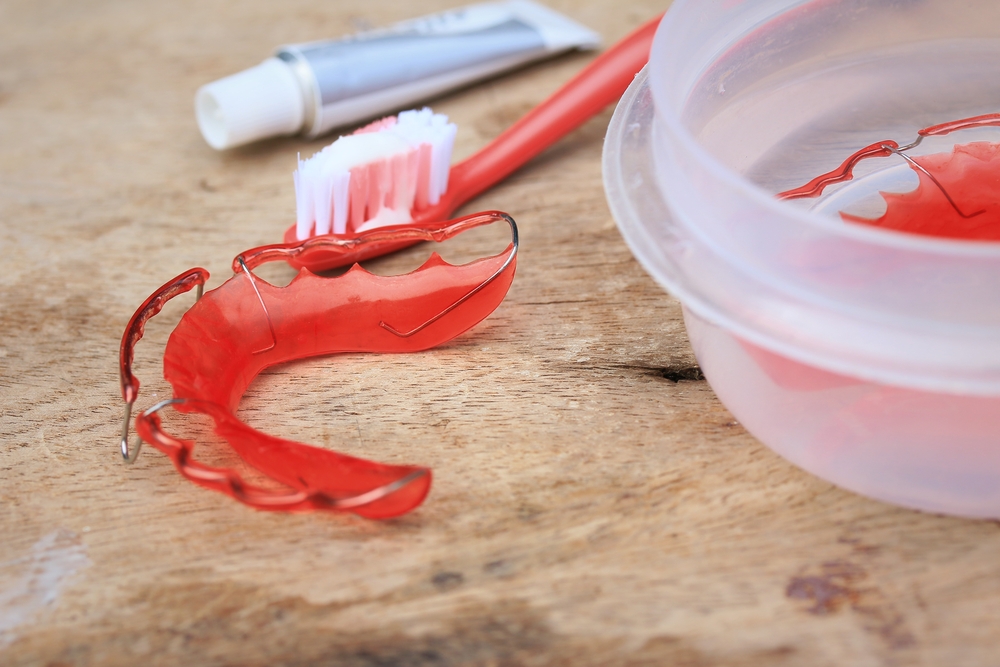
Retainers help hold teeth in their corrected positions after braces or Invisalign treatment. Without consistent retainer wear, teeth can gradually shift. That doesn’t necessarily mean starting over, but it does mean it’s worth finding out what has changed before deciding what to do with your old retainer.
Why Do Teeth Move After Braces or Invisalign?
Orthodontic treatment moves teeth into new positions, but those positions aren’t permanently fixed once treatment ends. The bone and surrounding tissues need time to adapt, and teeth can continue shifting throughout your life.
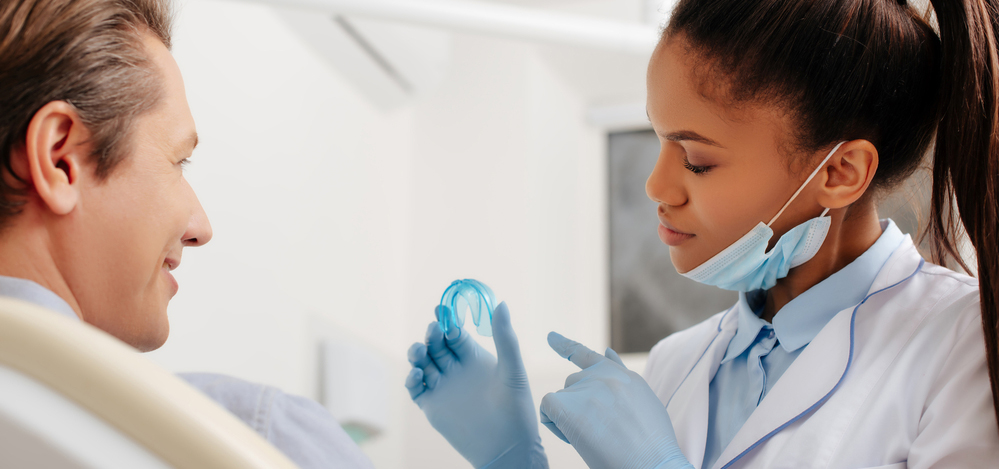
That’s why retention is a long-term part of orthodontic care. Wearing your retainer according to your provider’s instructions helps maintain the positions achieved with braces or Invisalign treatment.
Without consistent retainer wear, teeth may gradually move toward previous positions or develop new alignment changes. Even people who completed orthodontic treatment many years ago can experience shifting.
You might notice a front tooth beginning to rotate, new crowding along the lower teeth, a space reopening, or a change in how your upper and lower teeth meet. The amount of movement varies from person to person.
How Much Can Teeth Shift Without a Retainer?
There’s no universal amount of time you can go without wearing a retainer before your teeth move. Some people notice changes relatively quickly, while others may go months or years before movement becomes obvious.
What matters most isn’t exactly how long your retainer has been sitting in a drawer. It’s how much your teeth have changed and whether the movement affects their alignment or your bite.
Signs Your Teeth May Have Shifted
- Your retainer feels noticeably tighter than it used to.
- Your retainer no longer fits fully over your teeth.
- One or more teeth appear rotated, overlapping, or crowded.
- A space between your teeth has reopened.
- Your smile looks different from when orthodontic treatment ended.
- Your bite feels different when you close your teeth together.
These changes don’t automatically mean you’ll need another full course of orthodontic treatment. However, having your teeth and retainer evaluated can help determine what needs attention before additional movement occurs.
Can I Start Wearing My Old Retainer Again?
Whether you can safely start wearing your old retainer again depends on how well it fits. A retainer that feels slightly snug is different from one that no longer seats fully over your teeth or causes significant discomfort.
If your retainer still fits completely without being forced or causing pain, ask your dentist whether you should resume wearing it. If it won’t fit properly, feels painful, or requires pressure to push it into place, don’t try to make it fit yourself.
Don’t Force a Retainer That Doesn’t Fit
Your retainer was designed to fit a particular arrangement of your teeth. If your teeth have moved or the retainer has become damaged or distorted, forcing it into place may cause pain or unwanted pressure. Have the appliance evaluated rather than attempting to make it fit on your own.
Retainer fit problems aren’t always caused by shifting teeth. Removable retainers can become worn, cracked, or distorted over time. If you still have your old retainer, bring it to your appointment so your dentist can examine both the appliance and your teeth.
What if My Teeth Have Already Shifted?
Seeing your teeth move after spending months or years straightening them can be frustrating, but some movement doesn’t necessarily mean you’ve lost all the benefits of orthodontic treatment. The amount of movement and its effect on your bite help determine what happens next.
A replacement retainer can help maintain teeth in their current positions, but it isn’t necessarily designed to correct significant movement. If your teeth need to be repositioned, additional orthodontic treatment may be recommended before a new retainer is made.
The right approach depends on your current tooth positions, bite, oral health, and treatment goals. A dental evaluation can help determine whether your teeth simply need to be maintained or whether some correction would be beneficial.
Do I Need Braces Again?
Not necessarily. Teeth shifting after you stop wearing your retainer doesn’t automatically mean another full course of traditional braces.
For some patients, Invisalign may provide a way to correct teeth that have moved out of position. Invisalign uses a series of clear, removable aligners to gradually reposition teeth according to a personalized treatment plan. Whether Invisalign can address your specific changes depends on your teeth, bite, and treatment needs.
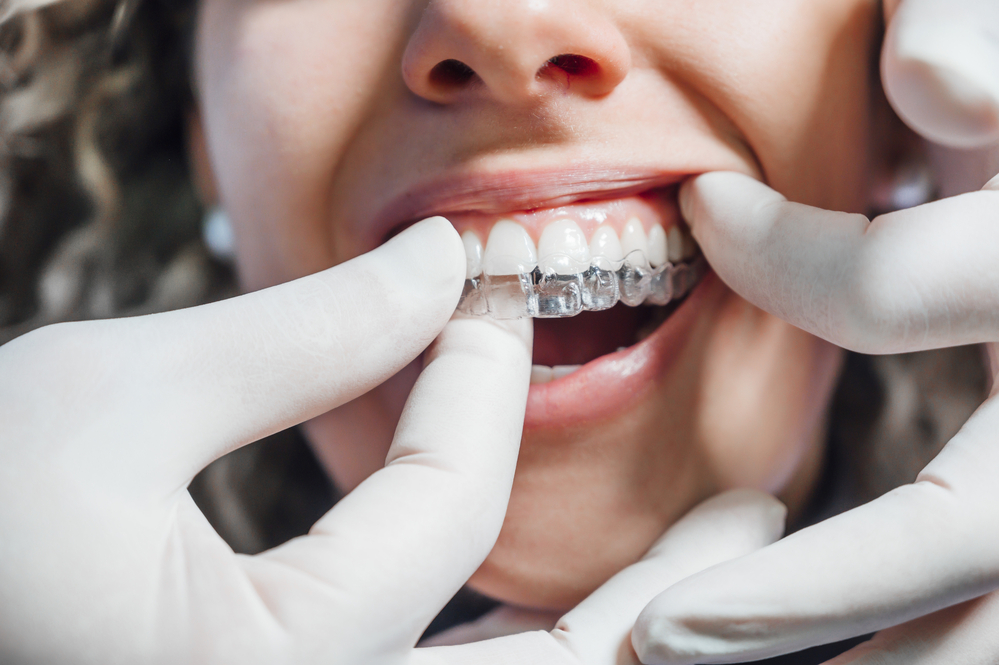
Eagle Harbor Dental provides Invisalign treatment and can evaluate whether clear aligners may be appropriate for correcting your tooth movement. If Invisalign isn’t suitable for the type or extent of shifting, your dentist can discuss other treatment options or whether an orthodontic referral makes sense.
Have Your Teeth Shifted Since You Stopped Wearing Your Retainer?
You may not need braces again. Let Eagle Harbor Dental evaluate your teeth and bite and help you understand whether a new retainer or additional treatment may be appropriate.
What Happens at an Appointment for Shifted Teeth?
You don’t need to know exactly how much your teeth have moved before scheduling an appointment. Start by explaining when you last wore your retainer regularly, whether it still fits, and what changes you’ve noticed in your smile or bite.
If you still have your old retainer, bring it along, even if you can’t wear it anymore. Your dentist can examine its condition while evaluating your teeth and discussing your options.
01
Evaluate Your Teeth and Bite
Your dentist examines your tooth positions and how your upper and lower teeth fit together to determine the extent of the movement.
02
Check Your Old Retainer
If you bring your retainer, your dentist can assess whether it is worn, damaged, distorted, or no longer suitable for your current teeth.
03
Discuss Your Treatment Options
Depending on the findings, your dentist may recommend a replacement retainer, orthodontic correction, or consultation with a specialist.
If it’s been years since you saw the orthodontist who originally treated you, you can still begin with your current dentist. An initial evaluation can help clarify whether you need a new retainer, additional orthodontic care, or a referral. You can also learn more about available teeth-straightening options.
How Can I Keep My Teeth From Moving Again?
Once your teeth are in the positions you and your provider want to maintain, wearing your retainer as directed is an important part of protecting your orthodontic results. Retention is a long-term commitment because teeth can continue shifting throughout life.
Your specific retainer and wear schedule will depend on your treatment history and your provider’s recommendations. Retainers can also become worn, cracked, or distorted, so checking their condition is important.
Tips for Maintaining Your Orthodontic Results
- Follow the retainer wear schedule recommended by your provider.
- Store removable retainers in their protective case when you’re not wearing them.
- Keep retainers away from excessive heat, which may distort their shape.
- Clean your retainer according to your dentist’s or orthodontist’s instructions.
- Contact your dental provider if your retainer breaks, becomes lost, or stops fitting properly.
What Should You Do if Your Teeth Have Shifted?
If you stopped wearing your retainer and your teeth have moved, don’t assume you’ve ruined your orthodontic results or that you’ll automatically need braces again. The first step is understanding how much your teeth and bite have changed.
Some patients may only need a replacement retainer, while others may benefit from Invisalign or another orthodontic approach. Eagle Harbor Dental can help you evaluate your options and make a plan for maintaining your smile going forward.
Has Your Smile Shifted Since You Stopped Wearing Your Retainer?
Let’s find out what’s changed and what options make sense for you.
(904) 269-6558
or
Request Your Appointment
For informational purposes only.
We Accept

Apply for CareCredit in 5 minutes and get 0% interest financing for up to 12 month.

See Our Office