
Sleep Apnea Treatment
Chronic snoring and obstructive sleep apnea can do more than disrupt your sleep. They can affect your energy, focus, cardiovascular health, and overall quality of life.
If you’re struggling with loud snoring or have been diagnosed with obstructive sleep apnea, Eagle Harbor Dental can evaluate whether a custom oral appliance may be an appropriate treatment option for you.


Key Takeaways
- Loud or frequent snoring can be a sign of obstructive sleep apnea (OSA), particularly when accompanied by pauses in breathing, gasping, or excessive daytime sleepiness.
- Sleep apnea treatment depends on your diagnosis, the severity of your condition, your overall health, and other individual factors.
- Custom oral appliances help keep the upper airway open during sleep and may provide an alternative for certain people with OSA, including some who have difficulty using CPAP therapy.
- Eagle Harbor Dental can evaluate patients with an OSA diagnosis to determine whether custom oral appliance therapy may be appropriate as part of their treatment plan.
Sleep apnea causes repeated interruptions in breathing during sleep. The most common form, obstructive sleep apnea (OSA), occurs when tissues in the upper airway narrow or block airflow while you sleep. These repeated disruptions can affect sleep quality and contribute to broader health concerns.
Treatment depends on the type and severity of sleep apnea, your overall health, and other factors. Options may include positive airway pressure (PAP) therapy, custom oral appliances, lifestyle changes, or medical and surgical approaches. The goal is to find a treatment that effectively manages your condition and works with your needs.
Snoring and Sleep Apnea
Snoring doesn’t necessarily mean you have sleep apnea. However, loud or frequent snoring can be a warning sign of OSA, particularly when it occurs alongside gasping or choking during sleep, witnessed pauses in breathing, morning headaches, difficulty concentrating, or excessive daytime sleepiness.
If you or your sleep partner notices these symptoms, talk with a healthcare provider about a sleep evaluation. Sleep apnea cannot be diagnosed from snoring alone. An appropriate medical evaluation and sleep testing can help determine whether OSA is present and guide treatment decisions.
A Comfortable Treatment Option
Sleep Apnea Oral Appliance
A custom sleep apnea oral appliance is a small, removable device worn during sleep to help keep the upper airway open. Oral appliance therapy may be appropriate for certain patients with obstructive sleep apnea, including those who prefer an alternative to CPAP or have difficulty tolerating PAP therapy.
Unlike CPAP, an oral appliance doesn’t require a mask, tubing, electricity, or pressurized airflow. The appliance is custom-made to fit your mouth, making it a convenient option for many patients. However, your diagnosis, oral health, bite, and other treatment considerations determine whether oral appliance therapy is right for you.
How Does an Oral Appliance Work to Treat Sleep Apnea?
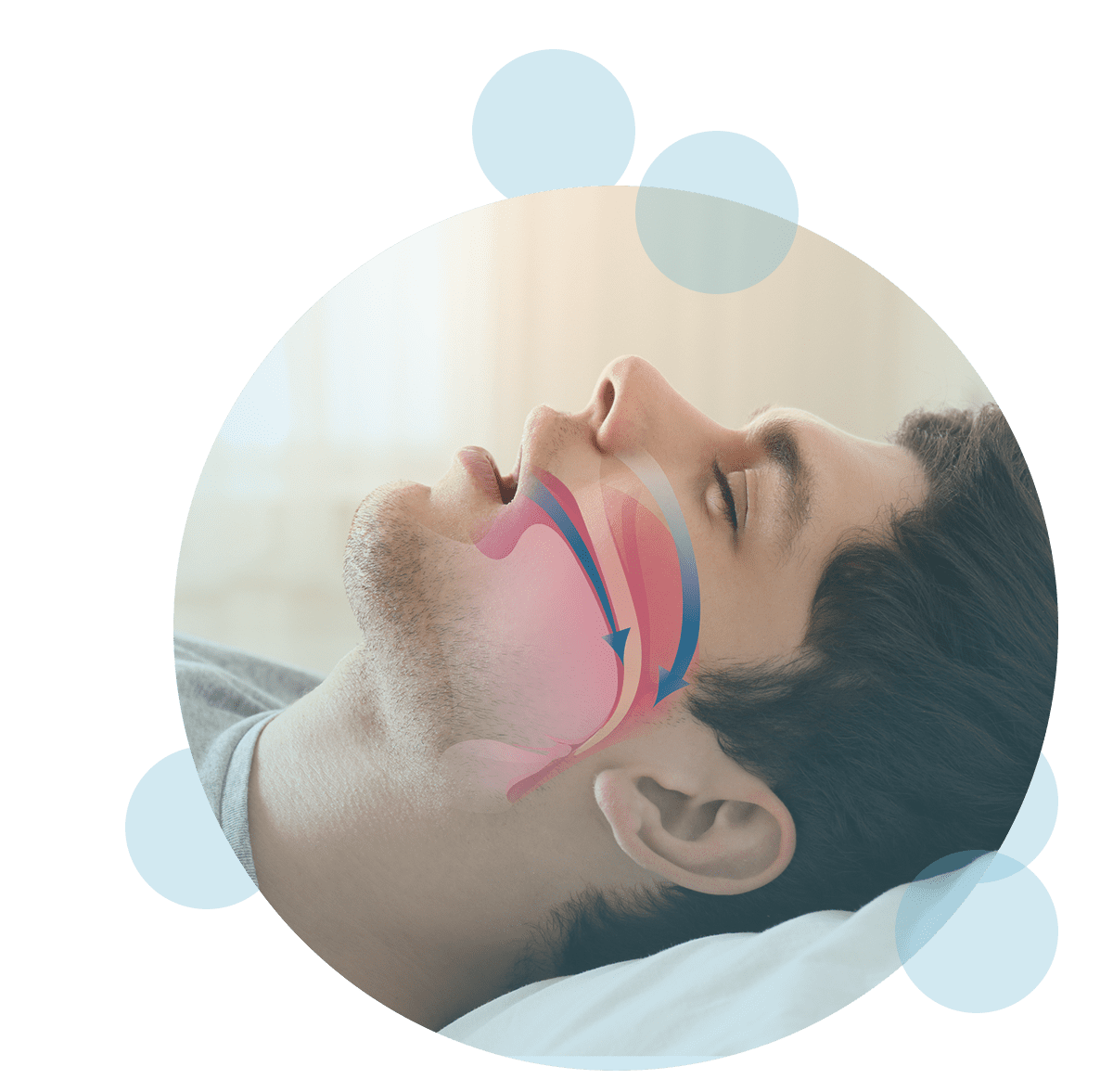
During sleep, the muscles and soft tissues around the upper airway relax. In people with obstructive sleep apnea, this can allow the airway to narrow or become blocked, interrupting normal breathing.
Most custom sleep apnea oral appliances gently position the lower jaw forward. This helps create more room behind the tongue and may reduce airway obstruction while you sleep. Other types of oral appliances hold the tongue forward instead. The appropriate device depends on your individual needs and treatment plan.
Benefits of Using an Oral Appliance to Treat Sleep Apnea
For patients who are appropriate candidates, custom oral appliance therapy offers several practical advantages over treatments that require a mask or machine.
Although these benefits can make oral appliances appealing, they aren’t appropriate for everyone with obstructive sleep apnea. Comfort and convenience don’t necessarily mean a device is effectively controlling OSA. Proper fitting, adjustments, and follow-up sleep testing are important parts of treatment.
Already Diagnosed With Obstructive Sleep Apnea?
If CPAP has been difficult to use or you’re interested in exploring another treatment option, Eagle Harbor Dental can evaluate whether a custom oral appliance may fit your needs.
Easy as 1-2-3
Getting Your Custom Sleep Apnea Oral Appliance
Custom oral appliance therapy involves more than choosing a device. Evaluation, proper fitting, and follow-up care help ensure your appliance is appropriate for your needs and effectively manages your obstructive sleep apnea.
1. Evaluate Your Needs
After an OSA diagnosis, we evaluate your teeth, gums, bite, jaw, and oral health to determine whether an oral appliance is appropriate for your treatment needs.
2. Customize Your Appliance
If oral appliance therapy is appropriate, we have a device custom-made to fit your mouth and adjust it to support your treatment plan and comfort.
3. Confirm Your Results
We monitor the appliance’s fit, comfort, and effects on your teeth and bite. Follow-up sleep testing, coordinated with your sleep-care provider, is recommended to confirm that the appliance effectively treats your OSA.
Other Sleep Apnea Treatment Options
Oral appliance therapy is one option for managing obstructive sleep apnea, but it isn’t the right treatment for every patient. Your healthcare provider may recommend PAP therapy, lifestyle changes, medical management, surgery, or a combination of approaches depending on your diagnosis, overall health, and response to treatment.
CPAP and Other PAP Therapy
Continuous positive airway pressure (CPAP) is a common and effective treatment for obstructive sleep apnea. PAP therapy delivers pressurized air through a mask to help prevent the upper airway from collapsing during sleep. CPAP is particularly important for many patients with moderate-to-severe OSA, although the most appropriate form of PAP therapy depends on individual treatment needs.
Lifestyle Changes
Lifestyle changes may help some people manage obstructive sleep apnea. Depending on your health and contributing risk factors, your healthcare provider may recommend reaching or maintaining a healthy weight, exercising regularly, limiting alcohol, stopping smoking, or changing your sleeping position.
These changes can support better sleep and overall health, but they shouldn’t replace prescribed OSA treatment when additional therapy is necessary.
Surgery
For selected patients, surgery may be considered when the anatomy of the upper airway contributes to obstruction or when other treatments haven’t provided adequate results or haven’t been tolerated. The location and cause of the airway obstruction help determine which procedure, if any, may be appropriate.
Medical Management
Medical treatment may address health conditions that contribute to sleep apnea. For example, certain adults with obesity and moderate-to-severe OSA may qualify for medical weight-management treatment. A qualified medical provider can evaluate eligibility, explain the potential benefits and risks, and determine whether this approach fits the patient’s broader treatment plan.
The goal of sleep apnea treatment isn’t simply to find the most convenient option. It’s to find an approach you can use consistently that also effectively controls breathing interruptions during sleep.
Introducing the Fotona LightWalker Max
Laser-Assisted Care for Snoring and Airway Concerns
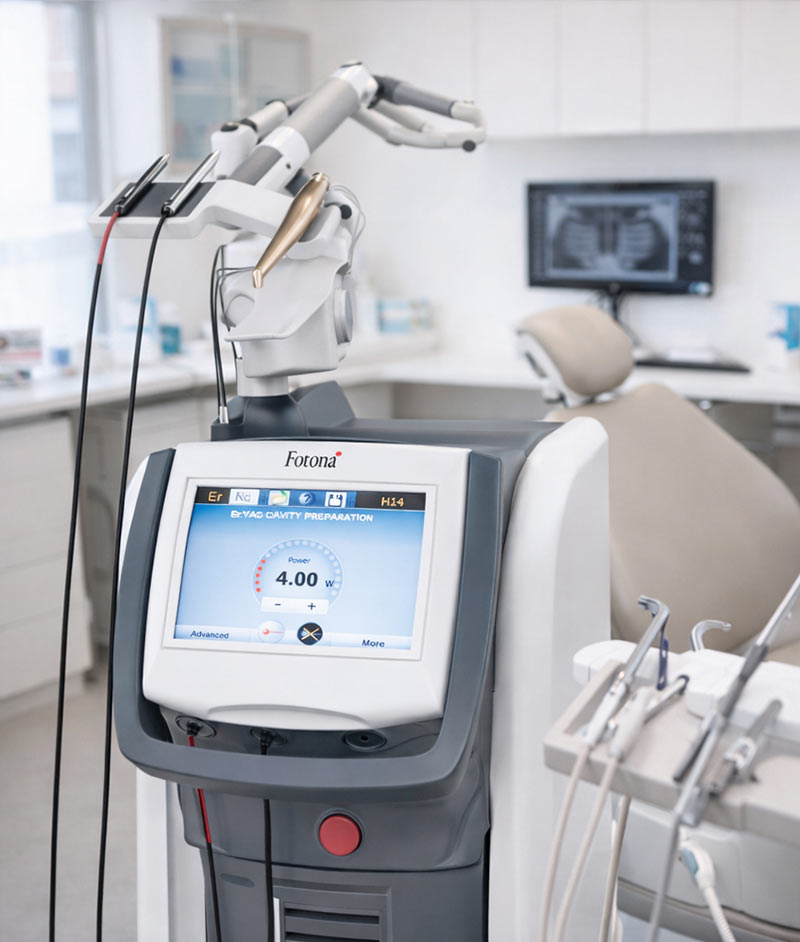
For selected patients, Eagle Harbor Dental may incorporate the Fotona LightWalker Max laser into a broader airway-care plan. This technology delivers laser energy to soft tissues in the mouth and throat and may help reduce tissue vibration associated with snoring.
Laser-assisted care for snoring is different from established treatments for obstructive sleep apnea. Laser treatment should not be considered a substitute for an OSA diagnosis, CPAP, or prescribed oral appliance therapy. Evidence supporting laser procedures for treating OSA remains limited, and improvements in snoring alone don’t establish that breathing interruptions have been controlled.
Your symptoms, sleep apnea diagnosis, anatomy, and overall treatment needs help determine whether laser-assisted care may have a role in your care. If you have OSA, effective management of the breathing disorder remains the priority.
Your Comfort Is Our Priority
Could an Oral Appliance Be Right for You?
Custom oral appliance therapy may be appropriate for certain adults with obstructive sleep apnea, including patients who prefer an alternative to CPAP or have difficulty using PAP therapy. A confirmed diagnosis, the severity of your OSA, and your medical and dental health are all important parts of determining whether an appliance is suitable.
We also evaluate your teeth, gums, jaw function, and bite to determine whether your mouth can comfortably and safely support an appliance. Existing dental problems, jaw symptoms, and previous treatment experiences may affect which options make sense for you.
Having difficulty tolerating CPAP doesn’t automatically mean an oral appliance is the right choice. However, for appropriate patients, it may provide an effective treatment option without a mask or pressurized airflow. We can coordinate with your sleep-care provider to help determine whether oral appliance therapy fits your treatment plan.
An evaluation is the first step, not a commitment to treatment. We’ll explain how oral appliance therapy works, discuss its potential benefits and limitations, and help you understand the next steps.
Frequently Asked Questions
How Do I Know if I Have Sleep Apnea?
Can I Tell if I Stop Breathing During Sleep?
Does Snoring Mean I Have Sleep Apnea?
Are Oral Appliances for Sleep Apnea Comfortable to Wear?
Can an Oral Appliance Replace CPAP?
We've Got You Covered
Insurance We Accept








Don't see your insurance listed? No worries! If you have a PPO plan, you can use it here.
Contact us
to verify your coverage
Ready to get started?
Book your appointment
Give us a call
(904) 269-6558
or send us a message using the form below