How to Whiten Teeth Quickly for an Event (Like Your Wedding)
Nov 28, 2022

Key Takeaways
Want Whiter Teeth for an Upcoming Event?
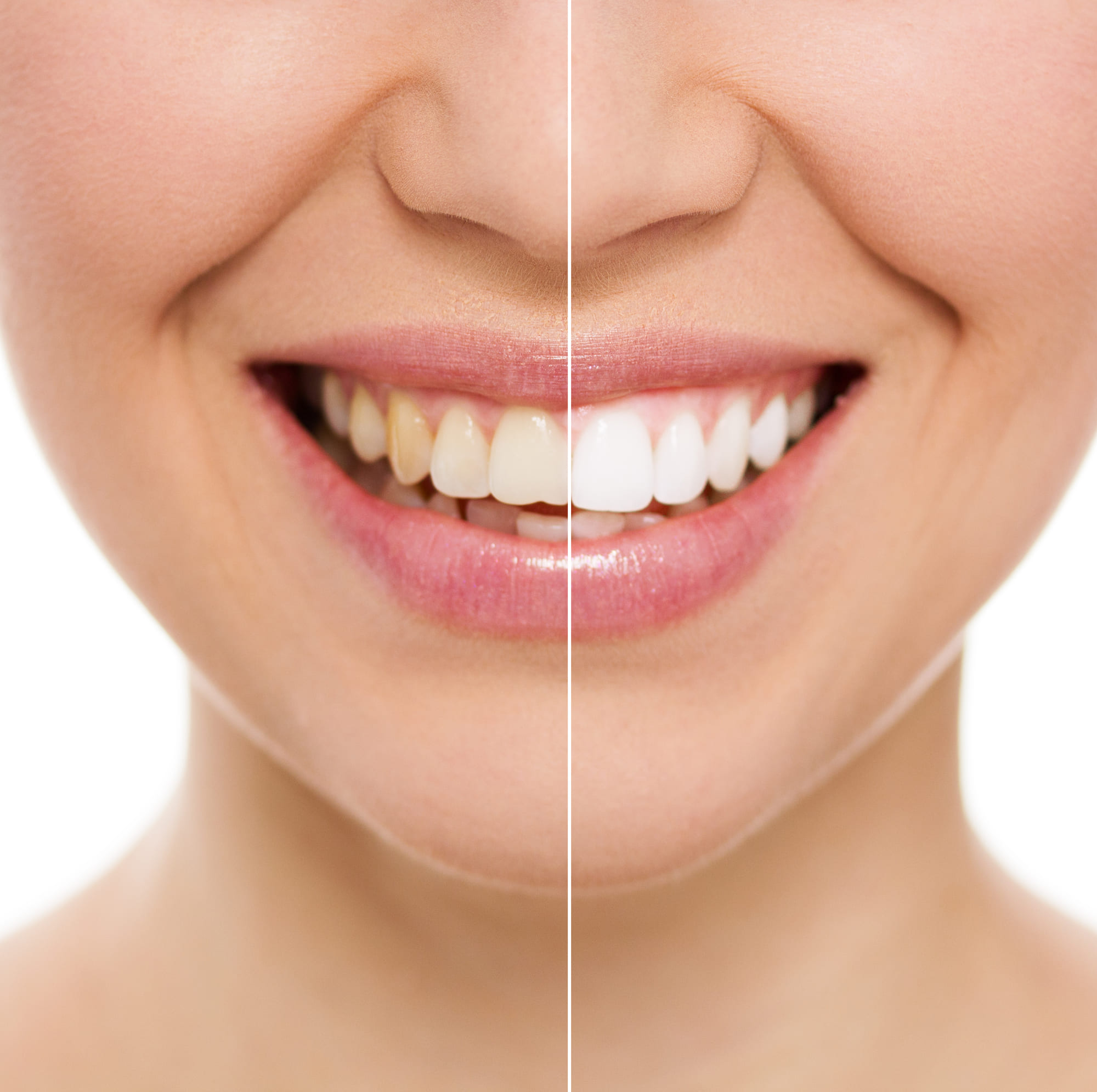
Maybe your wedding is approaching, family photos are scheduled, or you have a reunion, vacation, or another important event coming up. If your teeth look more yellow or stained than you’d like, the first question is usually simple: How much can I realistically change before the big day?
The answer depends partly on your timeline. Some products primarily remove stains from the outside of your teeth, while peroxide-based treatments can bleach natural tooth structure. Your type of discoloration matters too.
Eagle Harbor Dental offers professional teeth whitening and can help you determine which approach may make sense for your smile and your schedule.
Is Your Event Coming Up Soon?
Tell us when your event is and what you’d like to improve. We can discuss whitening options and what may be realistic for your timeline.
How Much Time Do You Have to Whiten Your Teeth?
There isn’t one whitening method that’s best for every deadline. How soon your event is can help narrow the options worth considering.
Your Event Is Only a Few Days Away
If time is short, professional in-office whitening may produce a noticeable change more quickly than products intended for repeated use at home. Professional whitening generally uses peroxide-based bleaching agents under dental supervision.
Results still vary. Your starting shade and the cause of the discoloration influence how your teeth respond, so a close deadline makes realistic expectations especially important.
You Have a Week or Two
Some peroxide-based whitening strips and other properly formulated at-home products may be useful when you have more time. These products generally need repeated applications, and the amount of whitening varies from person to person.
If strips are one of the options you’re considering, read more about how whitening strips work and what you can reasonably expect from them.
You Have Several Weeks
A longer timeline gives you more flexibility. Depending on your goals, gradual bleaching products may be practical, while whitening toothpaste may help reduce some stains on the outside of your teeth.
Whitening toothpaste works differently from peroxide bleaching. Our guide to whitening toothpastes explains that distinction in more detail.

Your Timeline Is Only Part of the Decision
How quickly you’d like results matters, but it isn’t the only factor. Your dentist can also consider the type of staining, your starting tooth color, existing dental work, and whether your teeth are already sensitive.
That can help you avoid spending valuable time on a method that is unlikely to address the kind of discoloration you actually have.
Stain Removal and Teeth Bleaching Are Not the Same Thing
This distinction helps explain why two products labeled “whitening” can produce very different results.
Surface stains, also called extrinsic stains, develop on the outside of teeth. Coffee, tea, tobacco, and other strongly pigmented substances can contribute to them. Toothpastes use polishing agents and mild abrasives to help remove some of these external stains.
Bleaching changes tooth color through a different process. Hydrogen peroxide and carbamide peroxide are commonly used ingredients that can lighten natural tooth structure.
A Cleaner Surface Isn’t Always a Lighter Tooth
Removing external stains may make teeth look cleaner or brighter without changing their underlying color. That’s why a whitening toothpaste and a peroxide bleaching treatment should not be expected to produce the same result.
This difference is especially useful to understand when you’re comparing professional whitening with the many natural and DIY techniques promoted online.
Which At-Home Whitening Methods Actually Work?
Baking soda, peroxide, charcoal, fruit, vinegar, and even banana peels have all been promoted as quick ways to whiten teeth. The evidence behind those ideas varies considerably.
Baking Soda
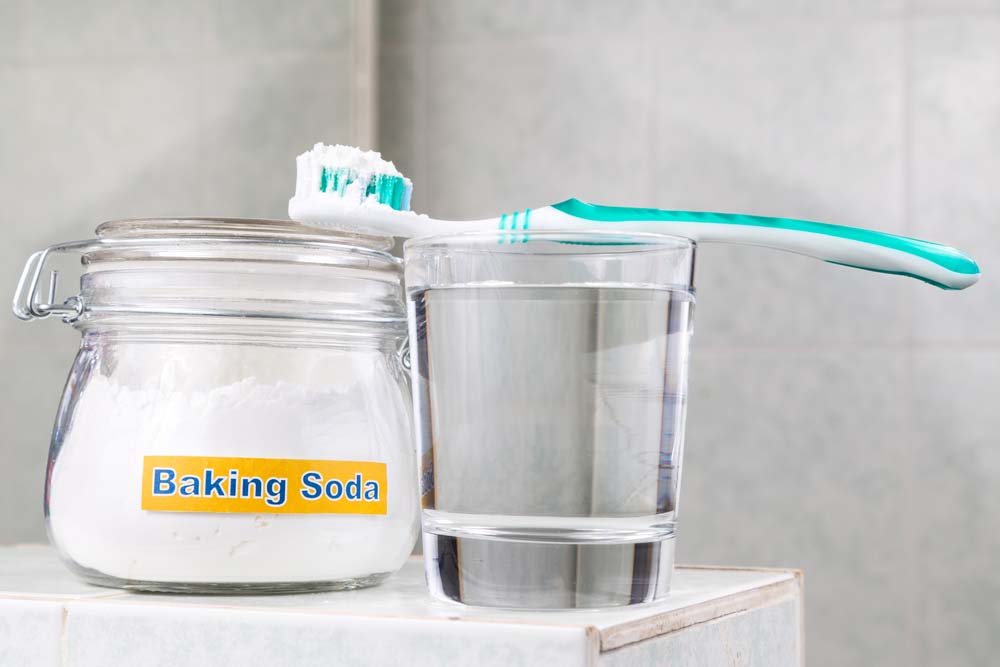
What it may do: Baking soda can help remove some stains from the outside of teeth. Sodium bicarbonate is included in some toothpastes for its cleaning and mild abrasive properties.
What it doesn’t do: Removing external stains is not the same as bleaching the natural color of a tooth. Repeatedly scrubbing with homemade mixtures also isn’t a good strategy for trying to accelerate whitening.
Hydrogen Peroxide
What we know: Peroxide has an established role in tooth bleaching. Hydrogen peroxide and carbamide peroxide are used in many professional and over-the-counter whitening products.
That does not mean rinsing with household peroxide or making your own peroxide mixture is equivalent to using a properly formulated whitening product. Concentration, contact time, application method, and exposure of the gums all affect how a bleaching agent is used.
Activated Charcoal
Charcoal powders and toothpastes are widely marketed for whitening, but the American Dental Association notes that there isn’t enough evidence to show that charcoal-based oral care products provide meaningful tooth whitening with adequate safety and effectiveness. Some research has also raised concerns about the abrasive potential of charcoal products. Excessive abrasion can gradually wear away enamel, which does not grow back and may make teeth look more yellow as the darker dentin underneath becomes more visible.
What About Strawberries, Banana Peels, Powdered Milk, and Vinegar?
These methods have gained attention online, but the American Dental Association notes that research on DIY and natural whitening remedies is very limited. In addition, some methods that have been studied have not performed well. For example, research on a strawberry-and-baking-soda mixture found that it did not produce meaningful tooth whitening.
Apple cider vinegar raises a different concern. The American Dental Association advises against using acidic substances such as vinegar as DIY whitening treatments because repeated acid exposure can contribute to enamel erosion. Since there is no well-established whitening benefit, exposing teeth to vinegar creates an unnecessary risk without a proven payoff.
“Natural” Doesn’t Automatically Mean Safer
The useful question is not whether a whitening idea is natural, but what it actually does to your teeth. Peroxide has an established bleaching effect, and baking soda can help remove some surface stains. Many other popular DIY methods either lack good evidence or introduce unnecessary acid or abrasion.
Why Doesn’t Whitening Work the Same for Everyone?
Even a proven whitening product won’t produce identical results for every smile. The type and cause of discoloration matter.
General yellowing or external staining may respond differently from gray discoloration or a single tooth that has become darker after an injury. If one tooth has changed color noticeably compared with the teeth around it, it’s worth having the cause evaluated rather than simply applying more whitening product.
What If You Have Crowns, Veneers, or Fillings?
Whitening agents are intended to lighten natural tooth structure. Crowns, veneers, and tooth-colored fillings do not respond in the same way.
If a visible restoration currently matches the teeth around it, whitening your natural teeth could make the color difference more noticeable. That doesn’t necessarily prevent you from whitening, but the overall color match should be considered before treatment.
Your dentist can also check for other reasons whitening may not be the appropriate first step, particularly if discoloration is isolated to one tooth or accompanied by pain or other changes.
Not Sure What Will Work for Your Smile?
Your discoloration, existing dental work, sensitivity, and timeline can all influence which whitening options make sense.
What Does Professional Whitening Look Like?
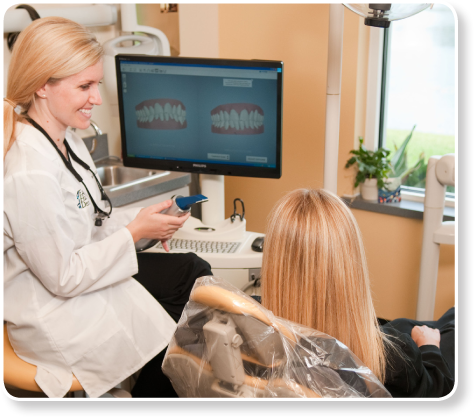
Professional whitening allows the dental team to evaluate your teeth before treatment and use a whitening approach suited to your goals and oral health. Eagle Harbor Dental offers professional whitening, including laser-assisted whitening, for appropriate patients.
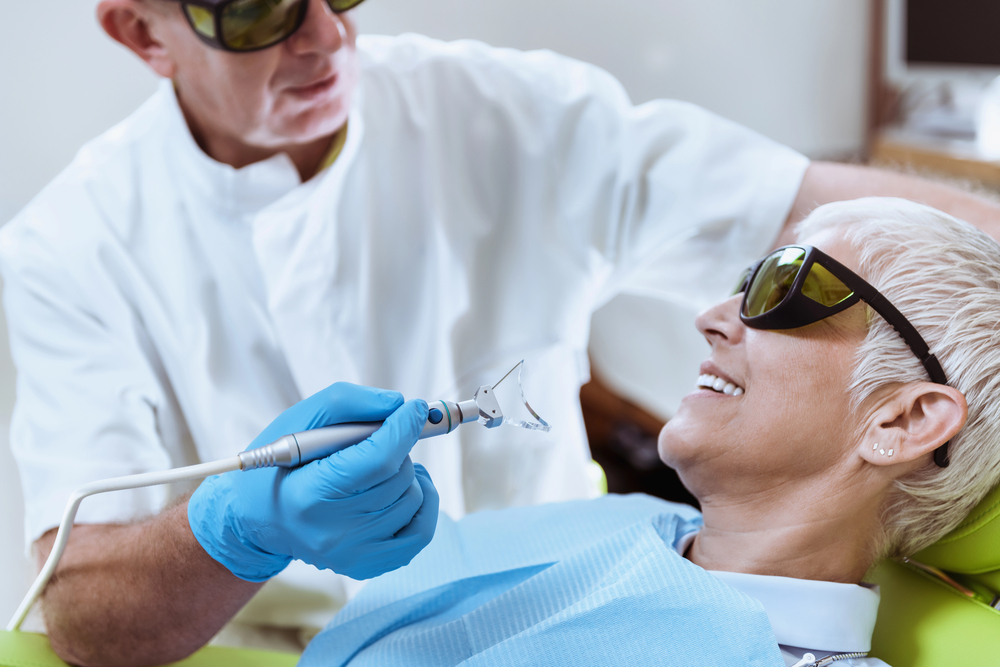
Professional treatment may be especially worth considering when your event is close and you want to understand what kind of change may be realistic before a specific date. The appropriate approach still depends on your teeth, existing dental work, sensitivity, and treatment goals.
Can You Whiten Sensitive Teeth?
Tooth sensitivity and gum irritation can occur with bleaching treatments, and the sensitivity is often temporary. But if your teeth already hurt with cold, heat, or sweets, it’s useful to consider why before beginning a whitening regimen.
Cavities, gum recession, worn tooth structure, damaged restorations, and other dental problems can also contribute to sensitivity. In those situations, whitening may not be the first issue that needs attention.
For more information about what may be behind sensitive teeth, see our guide to tooth sensitivity.
How Can You Keep Your Teeth Bright Before the Event?
Once you’ve completed your planned whitening treatment, avoid adding extra sessions simply because the event is getting closer. Follow the recommended schedule for the product or treatment you’re using.
Continue brushing with fluoride toothpaste and cleaning between your teeth each day. Coffee, tea, red wine, tobacco, and other strongly pigmented substances can contribute to external staining, so limiting stain exposure may help preserve the appearance you’ve achieved.
If coffee or tea is part of your normal routine, our guide to coffee and tea stains on teeth explains how those stains develop and what you can do about them.
What’s the Fastest Sensible Way to Whiten Before an Event?
If your deadline is close, speed matters—but it shouldn’t be the only consideration. Professional whitening may offer a faster route for appropriate patients, while at-home peroxide products generally require more time and repeated use.
Before choosing a method, also consider what is causing the discoloration, whether you have visible dental restorations, and whether your teeth are already sensitive. Those factors can influence both the result and your comfort.
You don’t need to diagnose your staining or choose a treatment before contacting Eagle Harbor Dental. Start with your goal and the date of your event. From there, we can help you understand what may be realistic for your smile.
Want a Brighter Smile for an Upcoming Event?
Tell us when your event is and what you’d like to improve. Our team can discuss your goals, timeline, and whitening options that may be appropriate for you.
(904) 269-6558
or
Request Your Appointment
For informational purposes only.
We Accept

Apply for CareCredit in 5 minutes and get 0% interest financing for up to 12 month.

See Our Office