Signs That Your Child Needs Braces
Sep 5, 2022
Key Takeaways
- Difficulty chewing, crowded teeth, unusual spacing, and bite problems can all be signs that your child may benefit from an orthodontic evaluation.
- Losing baby teeth earlier or later than expected can sometimes affect how permanent teeth develop and erupt.
- Not every orthodontic concern means your child needs braces right away. Some problems require monitoring rather than immediate treatment.
- The American Association of Orthodontists recommends an initial orthodontic checkup by age 7, even if treatment isn’t needed at that time.
Maybe you’ve noticed that your child’s teeth look crowded. Perhaps their bite seems unusual, they have trouble chewing comfortably, or their permanent teeth are coming in somewhere you didn’t expect. These changes can leave you wondering whether your child needs braces now, later, or at all.
Children’s teeth and jaws change considerably as they grow, and not every unusual-looking tooth or gap indicates a problem. However, certain changes in the way teeth develop, fit together, or function may be worth evaluating. Knowing what to look for can help you recognize potential orthodontic concerns and understand when to ask your child’s dentist for guidance.
1. Your Child Has Trouble Biting or Chewing

Your child’s upper and lower teeth should come together in a way that allows them to bite and chew comfortably. If your child regularly struggles to bite into food, chew efficiently, or seems to favor one side of their mouth, their bite may need to be evaluated.
Some bite problems aren’t obvious when you look at the front teeth. A dentist or orthodontist can examine how the entire bite functions and determine whether tooth alignment or jaw position may be contributing to the difficulty.
Difficulty chewing can also have causes unrelated to orthodontics, including dental pain or other oral health concerns. The goal of an evaluation is to understand why eating is uncomfortable rather than assume braces are the answer.
2. Your Child Frequently Breathes Through Their Mouth
Occasional mouth breathing during a cold or when your child’s nose is congested is common. However, persistent mouth breathing during the day or while sleeping may be worth discussing with your child’s dentist or pediatrician.
Frequent mouth breathing can have several causes, including nasal obstruction or other airway concerns. It has also been associated with certain patterns of facial growth and bite development, although mouth breathing alone doesn’t establish that your child has an orthodontic problem.
What Should Parents Watch For?
Tell your child’s dentist or pediatrician if you regularly notice:
- Breathing primarily through the mouth rather than the nose
- Sleeping with the mouth open
- Frequent nasal congestion or difficulty breathing through the nose
- Snoring or other persistent breathing concerns during sleep
A dental evaluation may help identify related bite or jaw-development concerns, while a pediatrician or another healthcare professional can investigate possible breathing or airway problems. Orthodontic treatment isn’t necessarily the solution to mouth breathing.
3. Your Child’s Teeth Look Crowded
Crowded teeth occur when there isn’t enough room for the teeth to line up normally. You may notice teeth overlapping, rotating, erupting behind one another, or appearing unusually close together.
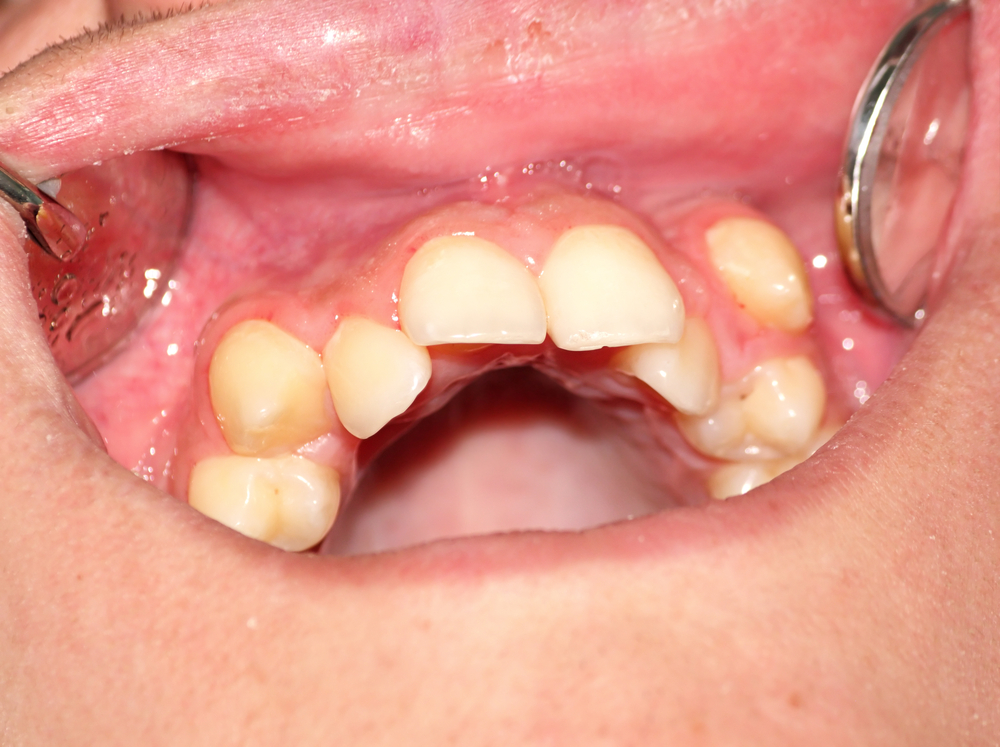
What you can see is only part of the picture. A dentist or orthodontist can also evaluate whether there’s enough space for permanent teeth that haven’t erupted yet.
Depending on your child’s age and dental development, crowded teeth may benefit from treatment or simply require monitoring as more permanent teeth come in.
Crowded or overlapping teeth can also create areas that are more difficult to brush and floss effectively. An examination can help determine whether the crowding affects oral hygiene, bite function, or the development of other teeth.
4. Your Child Lost Baby Teeth Earlier Than Expected
Baby teeth do more than help children chew and speak. They also help maintain space for the permanent teeth that eventually replace them.
When a baby tooth is lost prematurely because of decay, injury, or another problem, neighboring teeth may shift into the available space. This can reduce the room available for the developing permanent tooth and sometimes contribute to crowding or eruption problems.
Early tooth loss doesn’t automatically mean braces will be necessary. The location of the missing tooth, your child’s age, and the development of the permanent replacement all affect whether treatment is needed. In some situations, a dentist may recommend a space maintainer to help preserve the room needed for a permanent tooth.
5. Baby Teeth Are Staying in Place Longer Than Expected
A baby tooth that remains in place longer than expected can sometimes interfere with the normal eruption of its permanent replacement. You may notice that a permanent tooth is coming in behind a baby tooth that hasn’t fallen out or that one side of your child’s mouth is developing differently from the other.
Children don’t all lose their baby teeth on the same schedule, so a tooth staying in place longer than expected isn’t necessarily a problem. However, a dentist can compare your child’s dental development with typical eruption patterns and determine whether further evaluation is needed.
When appropriate, dental X-rays can provide information about permanent teeth still developing below the gums. The overall pattern of development matters more than whether a particular baby tooth becomes loose at an exact age.
6. There Are Unusual Gaps Between Your Child’s Teeth
Spaces between children’s teeth aren’t always a reason for concern. Gaps between baby teeth are often normal and can provide room for the larger permanent teeth that will eventually replace them.
Even after permanent teeth begin erupting, your child’s smile may go through stages when gaps seem more noticeable. Some spaces naturally change as additional teeth come in.
When Are Gaps Worth Evaluating?
Large, uneven, or persistent gaps between permanent teeth may warrant a closer look, particularly if they’re accompanied by missing, unusually positioned, or delayed teeth. A dentist can help distinguish normal developmental spacing from a problem that may require monitoring or treatment.
The size of a gap alone doesn’t determine whether braces are needed. Your child’s age, the position of surrounding teeth, and the development of permanent teeth all play a role.
Noticing Changes in Your Child’s Teeth or Bite?
Eagle Harbor Dental can evaluate your child’s dental development and help determine whether unusual spacing, crowding, or other changes need monitoring or an orthodontic evaluation.
7. Your Child Has an Underbite
An underbite occurs when some or all of the lower front teeth sit in front of the upper front teeth when the mouth closes. Parents may notice that their child’s lower jaw or lower teeth appear to project farther forward than expected.
Underbites can involve the position of the teeth, the way the jaws are growing, or a combination of the two. Because a child’s teeth and jaws are still developing, identifying an underbite early may help an orthodontist determine whether monitoring or treatment during growth would be beneficial.
The appearance of an underbite alone doesn’t determine the appropriate treatment. An orthodontic evaluation can identify whether the problem involves tooth alignment, jaw position, or both.
8. Your Child’s Upper Front Teeth Project Too Far Forward
Upper front teeth normally sit slightly ahead of the lower front teeth. When the upper teeth project noticeably farther forward, however, your child may have excessive overjet.
Overjet describes the horizontal distance between the upper and lower front teeth. It differs from an overbite, which describes how much the upper front teeth vertically overlap the lower front teeth. Pronounced overjet may also increase the risk of injury to protruding front teeth.
An orthodontist can evaluate whether the forward projection is related to tooth position, jaw growth, or both. The severity of the problem and your child’s stage of development help determine whether treatment is appropriate.
Common Bite Problems in Children
Several types of bite alignment problems can develop as children’s teeth and jaws grow. Although some changes are easy to spot, others may be difficult to recognize without a dental examination.
Keep in mind: These descriptions are general examples, not a way to diagnose your child’s bite at home. A dentist or orthodontist can evaluate how the teeth fit together and whether any developing alignment problem requires treatment.
9. Your Child Continues a Thumb- or Finger-Sucking Habit
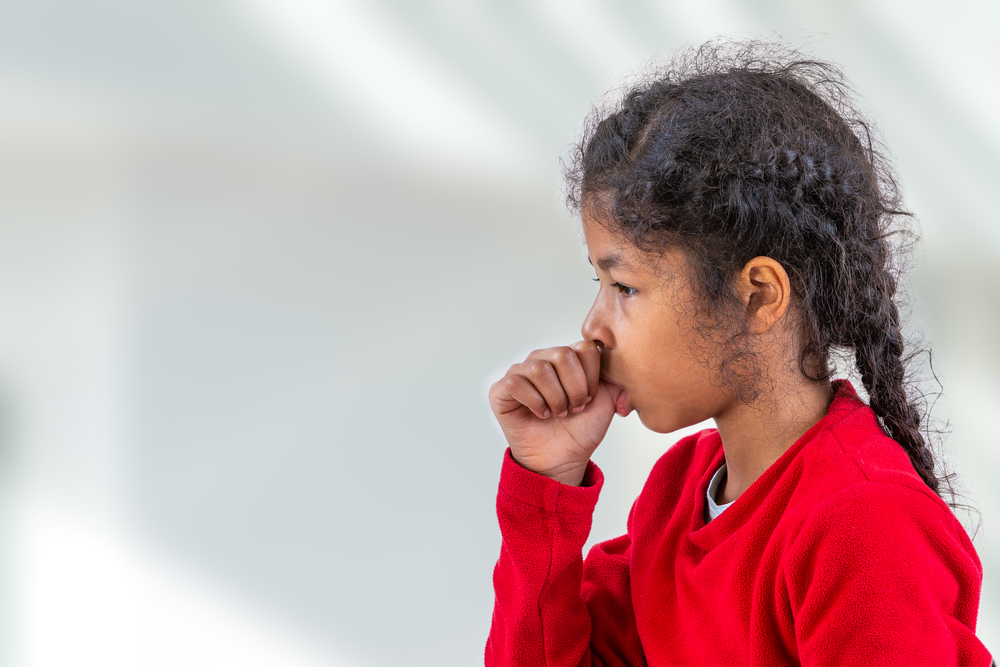
Thumb and finger sucking are normal soothing behaviors in babies and young children. However, a habit that continues for a prolonged period while the permanent teeth and jaws are developing may affect tooth alignment and bite development.
Persistent sucking habits can place pressure on the front teeth and contribute to changes such as protruding upper teeth or an open bite. The effects depend partly on how frequently, how long, and how forcefully the child sucks their thumb or fingers.
If your child is having difficulty stopping the habit, a dentist can check for changes in the developing bite and discuss age-appropriate ways to address it. The goal is to support healthy dental development without making your child feel embarrassed about a comforting behavior.
10. Your Child’s Permanent Teeth Are Coming In Crooked
Permanent teeth don’t always emerge in perfectly straight positions. Some irregularity is common as children transition from baby teeth to adult teeth, and alignment can change as additional permanent teeth erupt.
However, teeth that are significantly rotated, overlapping, blocked from erupting normally, or emerging well outside the dental arch may require orthodontic attention. Crooked or overlapping teeth can also create areas that are difficult to brush and floss effectively.
What if a Permanent Tooth Comes In Behind a Baby Tooth?
Sometimes a permanent tooth begins erupting behind a baby tooth that hasn’t fallen out yet. This doesn’t always require orthodontic treatment, but your dentist can assess whether the baby tooth is likely to loosen naturally or whether further care is appropriate.
The important first step is understanding why the teeth are coming in crooked. Depending on your child’s age and development, the recommendation may be orthodontic treatment, a specialist consultation, or continued monitoring as more permanent teeth emerge.
When Should Your Child First See an Orthodontist?
The American Association of Orthodontists recommends that children have their first orthodontic checkup no later than age 7. By this age, many children have a mixture of baby and permanent teeth, allowing an orthodontist to identify certain developing bite, spacing, and eruption concerns.
Why Age 7?
Around age 7, enough permanent teeth have typically emerged for an orthodontist to evaluate how the bite and jaws are developing. Some problems may be easier to identify or manage while a child is still growing, even if orthodontic treatment isn’t needed right away.
An early orthodontic evaluation doesn’t mean your child will automatically need braces. The recommendation may simply be to monitor development and check again as more permanent teeth emerge. If you notice a concerning bite problem, unusual eruption, or difficulty chewing before age 7, you can raise the concern with your child’s dentist sooner.
Does Seeing One of These Signs Mean Your Child Needs Braces?
Not necessarily. The signs described above are reasons to consider an orthodontic evaluation, not proof that your child needs braces. Some changes are normal parts of dental development, while others may require monitoring or treatment.
Whether braces or another orthodontic treatment is recommended depends on the type and severity of the problem, how the teeth and jaws are developing, and your child’s individual needs. Some children benefit from treatment while they’re still growing, while others may be better served by waiting until additional permanent teeth have erupted.
What Happens After an Orthodontic Evaluation?
Depending on your child’s dental development, the next step may involve:
- Continuing routine dental visits and monitoring growth
- Scheduling another orthodontic evaluation later
- Addressing a specific developing bite or eruption problem
- Beginning braces or another orthodontic treatment when appropriate
The goal of early evaluation isn’t to put every child in braces as soon as possible. It’s to recognize developing problems, understand whether treatment may be beneficial, and determine the most appropriate timing for your child’s needs.
Get Answers About Your Child’s Dental Development
If you’ve noticed crowded or crooked teeth, unusual spacing, chewing problems, or changes in your child’s bite, you don’t need to decide on your own whether braces are necessary. A dental examination is a practical place to start.
At Eagle Harbor Dental, our team can evaluate your child’s teeth and bite, discuss your concerns, and help determine whether continued monitoring or an orthodontic consultation may be appropriate. We’ll help you understand the next steps based on your child’s dental development.
Have Questions About How Your Child’s Teeth Are Developing?
Tell us what you’ve noticed. Our dental team can evaluate your child’s teeth and bite and help you understand the appropriate next step.
(904) 269-6558
or
Request an Appointment
For informational purposes only.
We Accept

Apply for CareCredit in 5 minutes and get 0% interest financing for up to 12 month.

See Our Office