How To Get Rid of Coffee and Tea Stains on Teeth
Mar 15, 2026
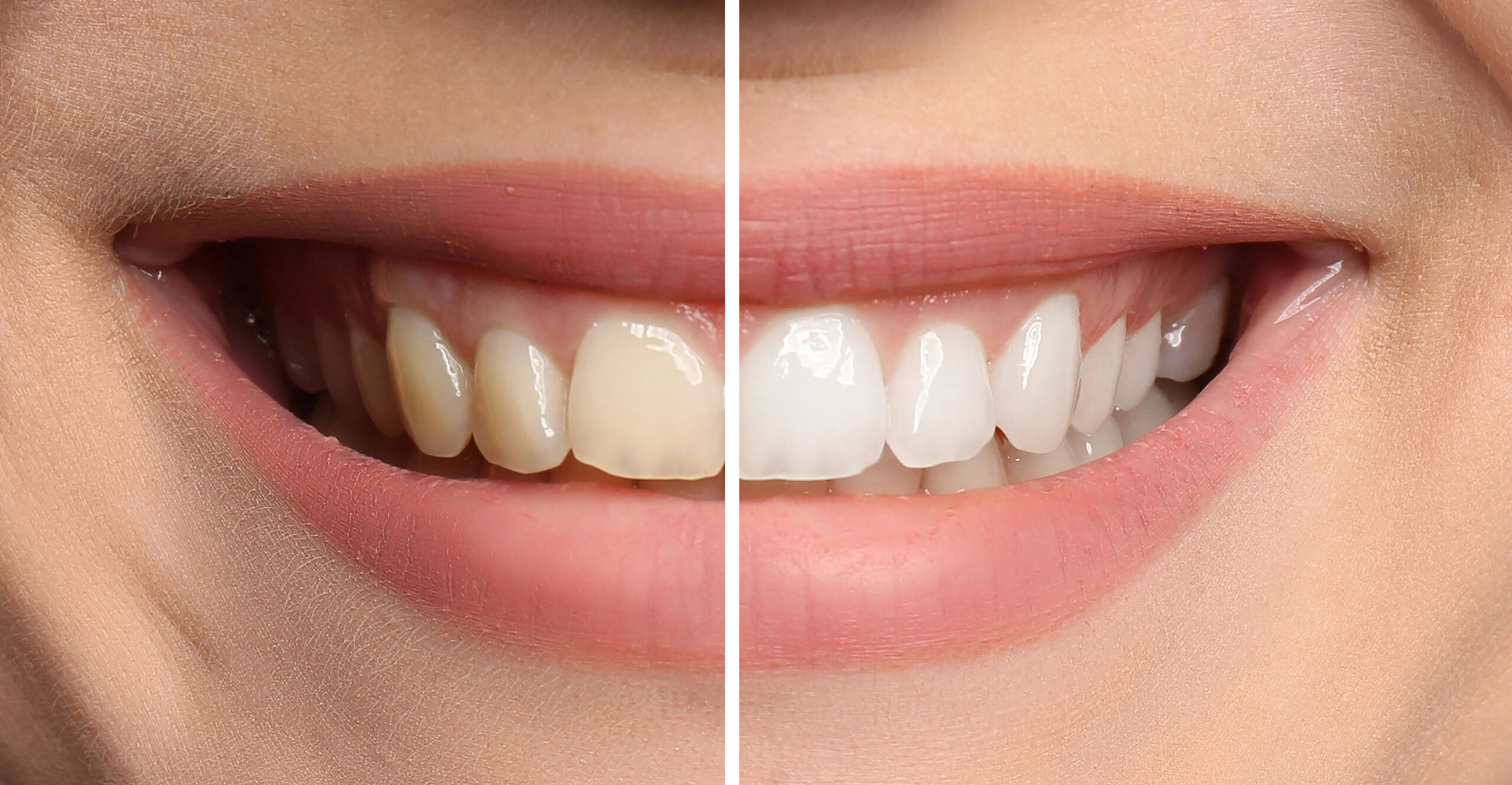
Key Takeaways
- Coffee and tea stains are common, but many are removable with the right approach.
- Surface stains often improve with professional cleanings and whitening.
- Daily habits—like rinsing, timing, and brushing technique—can prevent stains from setting.
- If stains don’t lift, cosmetic options can brighten teeth safely and predictably.
Coffee and tea are daily staples for a lot of people—and unfortunately, they’re also two of the most common causes of tooth staining. If you’ve noticed your smile looking a little darker, more yellow, or “dingy,” you’re not alone.
The good news: most coffee and tea stains are treatable. Some stains sit on the surface and respond well to professional polishing or whitening. Others have had more time to settle in and may need a stronger plan. Either way, you can usually make noticeable improvements without giving up your favorite drink.
Why Coffee and Tea Stain Teeth
Coffee and tea contain compounds called tannins that make pigments more likely to stick to enamel. Over time, those pigments build up and create discoloration—especially if teeth have microscopic texture, dry mouth, or plaque buildup that gives stain particles something to cling to.
Staining can also become more noticeable when enamel thins slightly with age, allowing more of the natural yellow tone underneath to show through.
Not Sure Whether You Need a Cleaning or Whitening?
A professional evaluation can help identify the cause of the discoloration and the most practical place to begin.
Surface Stains vs. Deeper Discoloration
Not all “stains” are the same. Understanding what you’re dealing with helps you choose the most effective solution.
Surface Stains (Extrinsic)
Deeper Color Changes (Intrinsic)
Most coffee and tea staining starts as surface discoloration, which is why a cleaning and the right at-home routine can make a real difference.
At-Home Habits That Help Reduce Coffee and Tea Stains
If your staining is mild to moderate, consistent daily habits can help prevent buildup and keep your smile brighter between visits. The key is limiting how long staining pigments stay in contact with enamel.
Ready to Explore a Brighter Shade?
Professional whitening may help when cleaning alone does not provide the improvement you want.
Quick “Stain-Smart” Routine
| When | What To Do | Why It Helps |
|---|---|---|
| Right after coffee/tea | Rinse with water | Reduces pigment contact time |
| Within 30–60 minutes | Chew sugar-free gum (optional) | Boosts saliva, which neutralizes acids |
| Later in your routine | Brush + floss normally | Removes plaque that holds stain |
Why Professional Cleanings Make a Big Difference
Even the best brushing routine can’t remove hardened tartar or fully polish away stubborn surface stains. During a professional visit, your hygienist can remove buildup and polish enamel more thoroughly than at-home tools.
If it’s been a while since your last checkup and cleaning, scheduling one is often the fastest, simplest first step toward a brighter smile.
When Whitening Is the Best Next Step
If stains don’t lift with polishing alone, whitening may be a better solution. Whitening works by brightening tooth color and reducing the appearance of discoloration, especially when surface staining has settled in over time.
For many patients, professional whitening provides more noticeable and predictable results than over-the-counter products. It’s also a good option if you want a bigger change for a special event or just prefer a brighter baseline shade.
When Stains Don’t Respond: Cosmetic Options
Some discoloration isn’t fully removable with whitening—especially if staining is tied to enamel wear, older restorations, or deeper color change. In those cases, cosmetic solutions can provide a more dramatic transformation.
Stain Prevention That Still Lets You Enjoy Coffee and Tea
You don’t have to give up coffee or tea to keep your smile looking bright. The most effective strategy is a combination of smart habits, consistent hygiene visits, and whitening when needed.
If you’re not sure what kind of staining you have—or what approach will work best—your dentist and hygienist can help you choose the simplest plan that gets the results you want.
Want a Brighter Smile Without Guesswork?
We can help you figure out whether a cleaning, whitening, or cosmetic option is the best way to reduce coffee and tea stains.
For informational purposes only.
We Accept

Apply for CareCredit in 5 minutes and get 0% interest financing for up to 12 month.

See Our Office