Do Dentures Cause Pain?
Aug 20, 2021

Key Takeaways
- Some tenderness can occur while adjusting to new dentures, but persistent or worsening pain should not be ignored.
- Denture pain can result from pressure spots, a changing fit, irritated gum tissue, denture-related stomatitis, dry mouth, or a damaged denture.
- Dentures that once fit comfortably can become loose or painful as the gums and supporting bone change over time.
- Recurring sores, slipping dentures, difficulty chewing, or increasing reliance on adhesive are reasons to have your dentures evaluated.
If your dentures have started rubbing, pinching, burning, or hurting when you chew, you may be wondering whether the discomfort is simply part of wearing them. While some soreness can happen when you first get dentures, ongoing pain isn’t something you should have to accept.
Your mouth changes over time. The gums and bone that support your dentures can gradually change shape, and even dentures that once fit comfortably may eventually become loose or place pressure on different areas. Understanding why your dentures hurt is the first step toward finding relief.
At Eagle Harbor Dental, we provide denture care for patients who need to replace missing teeth or address problems with existing dentures. Depending on the cause of your discomfort, you may need a simple adjustment, treatment for irritated tissue, or another solution to improve the fit.
What Can Cause Denture Pain?
Denture pain can have several causes, from localized pressure spots to changes in the tissues supporting your dentures. Where the pain occurs, how long it has been happening, and whether your dentures feel loose can all help your dentist identify the problem.
Poorly Fitting or Loose Dentures
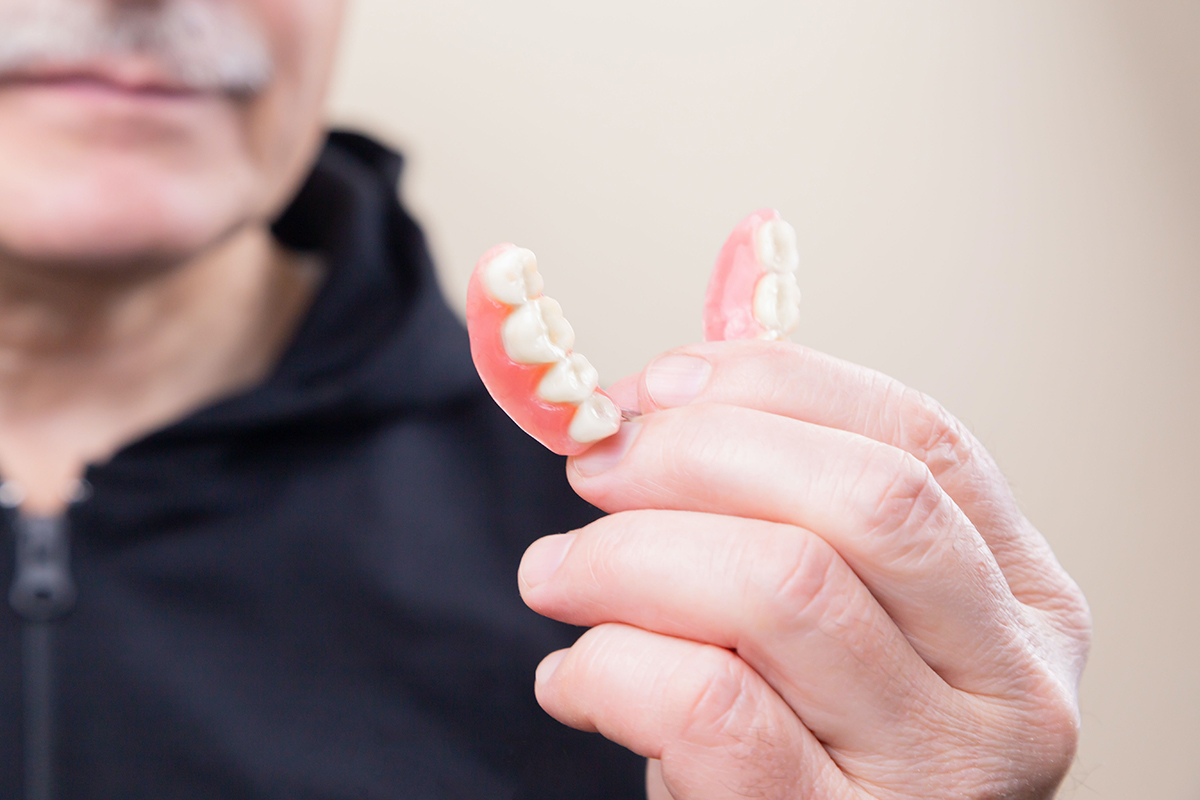
Dentures can become loose as the gums and supporting bone change shape. Even a denture that fit well when it was made may begin shifting, rocking, or placing excessive pressure on certain areas of the mouth.
A loose denture can repeatedly rub against the gums, causing tenderness, irritation, or sores. You may also notice that food gets trapped underneath it or that eating and speaking have become more difficult.
When denture fit changes, adding more adhesive may temporarily improve stability, but it doesn’t correct the underlying problem. Your dentist can determine whether an adjustment, reline, or replacement is appropriate.
Pressure Spots From New Dentures
New dentures can cause localized tenderness as your mouth adjusts to wearing them. Small areas of the denture may press more firmly against the gums than intended, particularly once you begin chewing and speaking throughout the day.
Some follow-up adjustments are a normal part of getting comfortable with new dentures. However, severe discomfort, worsening pain, or sores that don’t improve should be evaluated.
Never try to file, grind, bend, or reshape dentures yourself. Altering the denture at home can damage it or create additional pressure spots, making the problem more difficult to correct.
Denture-Related Stomatitis and Other Irritation
Dentures can collect plaque, food debris, bacteria, and fungi. When these deposits aren’t removed adequately, they can contribute to inflammation of the tissues underneath the denture.
One condition associated with denture wear is denture stomatitis, which can cause redness and inflammation beneath the denture. Candida, a fungus that can normally be present in the mouth, may contribute to this condition.
Cleaning dentures daily and following your dentist’s instructions about removing them can help maintain healthier tissues. However, persistent redness, burning, soreness, or other changes should be evaluated rather than treated solely at home.
Dry Mouth
Saliva helps lubricate your mouth and keep dentures more comfortable. When your mouth doesn’t produce enough saliva, the tissues beneath your dentures may become dry, tender, or easily irritated.
Dry mouth can be associated with certain medications, medical conditions, dehydration, and other factors. If your mouth frequently feels sticky or dry along with denture discomfort, let your dentist know.
Damaged or Worn Dentures
Cracks, worn denture teeth, damaged clasps on partial dentures, or changes in the denture base can affect how your dentures fit and function. Even minor damage can change how pressure is distributed when you bite or chew.
Continuing to wear damaged dentures may cause additional discomfort or irritation. Depending on the condition of the denture, your dentist may recommend a repair, adjustment, reline, or replacement.
What Does the Location of Denture Pain Tell You?
The location and type of denture discomfort can provide clues about what’s wrong. Although symptoms alone can’t confirm a diagnosis, they can help your dentist identify which areas of the denture and supporting tissues need attention.
A dentist can examine both the denture and the tissues supporting it. Treating a sore area alone may not solve the problem if a loose or damaged denture continues causing irritation.
Can Denture Adhesive Fix Painful or Loose Dentures?
Denture adhesive may help an otherwise properly fitting denture feel more secure, but it isn’t a permanent solution for dentures that have become loose or uncomfortable.
If you’re using more adhesive than before, applying it several times throughout the day, or relying on it just to keep your dentures in place while eating or speaking, the fit should be evaluated. Increasing the amount of adhesive may temporarily mask the problem without correcting it.
Depending on the condition of your dentures and how much your gums have changed, your dentist may recommend an adjustment, reline, repair, or replacement instead.
How Can You Soothe Sore Gums From Dentures?
If your gums are mildly irritated and you’re waiting for a dental appointment, certain home-care measures may help reduce discomfort. Keeping your dentures clean and limiting additional irritation can make wearing them more manageable.
Ways to Reduce Denture-Related Gum Irritation
- Clean your dentures daily according to your dentist’s and the manufacturer’s instructions.
- Carefully remove food particles and residual denture adhesive.
- Avoid stiff brushes, abrasive toothpaste, and harsh household cleaners that can damage denture materials.
- Never soak dentures in hot or boiling water, which may change their shape.
- Follow your dentist’s instructions about removing your dentures and storing them when they’re out of your mouth.
- Choose softer foods temporarily if chewing aggravates a sore area.
These measures may help reduce irritation, but they can’t correct dentures that place pressure in the wrong areas. If soreness persists, the underlying cause needs to be addressed.
For more detailed cleaning instructions, see our guide on how to clean dentures properly.
Are Your Dentures Causing Ongoing Discomfort?
If your dentures are rubbing, slipping, or making it difficult to eat, Eagle Harbor Dental can examine the fit and help you understand your options for relief.
When Should Denture Pain Be Checked by a Dentist?
Some tenderness while adjusting to new dentures can be normal, but pain that persists, returns repeatedly, or gets worse should be evaluated. Dentures that create recurring sores, interfere with eating, or suddenly change how they fit may need professional attention.
Schedule a Dental Evaluation if You Notice:

- Persistent or worsening denture pain
- Recurring sores in your mouth
- Red, swollen, or irritated tissue beneath the denture
- Dentures that have become noticeably loose
- Pain or difficulty when chewing
- Cracks, broken teeth, or other denture damage
- A sudden change in denture fit or how your bite feels
Seek prompt medical or dental attention for severe pain, significant swelling, fever, uncontrolled bleeding, or symptoms suggesting an infection. If swelling causes difficulty breathing or swallowing, seek emergency medical care.
How Can a Dentist Fix Painful Dentures?
The first step in treating painful dentures is determining what’s causing the discomfort. Your dentist can examine your gums, check for pressure spots, evaluate how the denture fits, and look for signs of wear or damage.
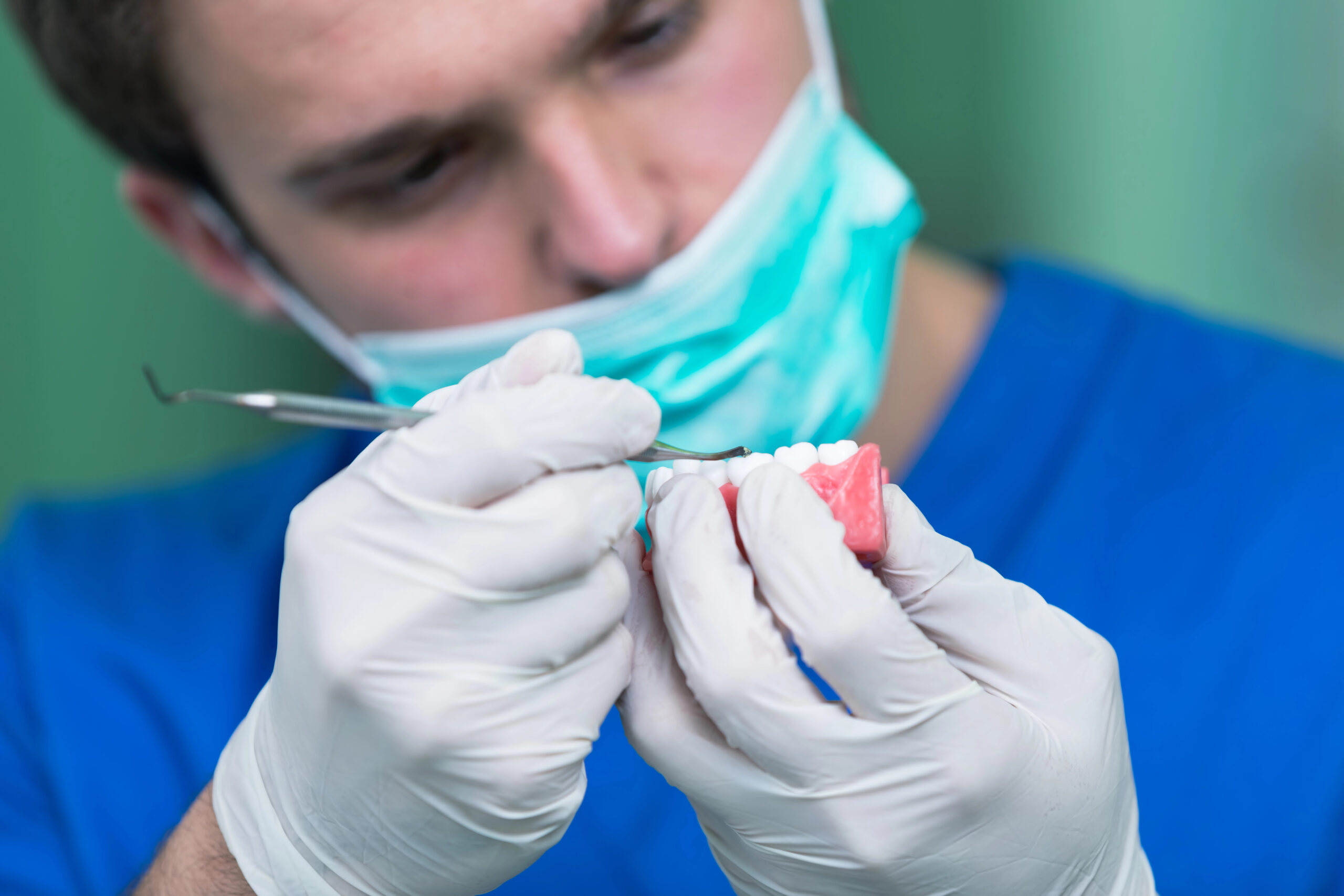
Depending on the findings, treatment may involve a relatively small adjustment or a more significant change to the denture itself.
01
Denture Adjustment
If part of your denture creates excessive pressure, your dentist may be able to carefully adjust that area. This is especially common when you’re getting used to new dentures.
02
Denture Reline
A reline reshapes the surface of the denture that rests against your gums so it better matches the current shape of the supporting tissues. It may help when your denture is otherwise in good condition but its fit has changed.
03
Denture Repair or Replacement
Cracked, damaged, significantly worn, or unstable dentures may need repair or replacement. The right option depends on the condition of the denture and how your mouth has changed.
Find Relief From Painful or Loose Dentures
Getting used to dentures can take time, but persistent pain, recurring sores, and difficulty chewing aren’t problems you should simply accept. Sometimes a small adjustment is enough to improve comfort. Other times, changes in fit or damage to the denture require additional care.
If your dentures no longer feel comfortable or secure, Eagle Harbor Dental can evaluate what’s changed and help you understand your options. Addressing the source of discomfort can make it easier to eat, speak, and wear your dentures with confidence.
Tired of Dealing With Painful or Loose Dentures?
Tell us what has changed and where your dentures are uncomfortable. The team at Eagle Harbor Dental can evaluate the fit and discuss appropriate next steps.
(904) 269-6558
or
Request Your Appointment
For informational purposes only.
We Accept

Apply for CareCredit in 5 minutes and get 0% interest financing for up to 12 month.

See Our Office