Is Fluoride Safe for Your Teeth? Benefits, Risks, and Cavity Prevention Facts
Mar 25, 2026
Key Takeaways
Fluoride has been debated for decades. Some people view it as one of dentistry’s most important preventive tools. Others question whether it’s truly necessary—or even safe.
So what’s the truth?
For most patients, fluoride is a safe, evidence-based way to strengthen teeth and prevent cavities. Understanding how it works—and how systemic and topical fluoride differ—can help you make confident decisions about your oral health.
What Is Fluoride?
Fluoride is a naturally occurring mineral found in water, soil, and certain foods. In dentistry, it’s used to strengthen tooth enamel and make teeth more resistant to decay.
Your enamel constantly goes through cycles of demineralization (when acids weaken it) and remineralization (when minerals rebuild it). Fluoride supports remineralization and helps repair microscopic weak spots before they turn into cavities.
Is Fluoride Safe?
When used as directed, fluoride is considered safe by major health organizations worldwide. Like many nutrients, safety depends on dosage.
Extremely high levels—far above those found in regulated water systems—can cause harm. However, those levels are not present in properly monitored community water supplies.
Understanding Fluorosis
Dental fluorosis can occur if excessive fluoride is ingested during early childhood while teeth are developing. In most cases, fluorosis appears as faint white streaks and is cosmetic.
How Fluoride Prevents Cavities
Fluoride protects teeth in two primary ways:
This is why fluoride is commonly included in toothpaste, mouth rinses, and professional treatments during routine checkups and cleanings.
Topical vs. Systemic Fluoride
Understanding the difference between topical and systemic fluoride clears up much of the confusion surrounding fluoride safety and necessity.
Topical Fluoride
Systemic Fluoride
Systemic fluoride primarily benefits children while teeth are forming. Topical fluoride protects teeth throughout life.
Fluoride in Drinking Water: Why It Matters
Community water fluoridation has been used for decades as a public health measure to reduce cavities across populations. The fluoride level in public water systems is carefully regulated to remain within a range considered safe and effective.
Research consistently shows that communities with fluoridated water experience fewer cavities compared to those without it. The amount added is small and designed to provide preventive benefits without harm.
Do You Still Need Fluoride Toothpaste If Your Water Has Fluoride?
Yes. Water fluoridation provides systemic exposure that benefits developing teeth in children. However, once teeth have erupted, topical fluoride becomes the primary protective mechanism.
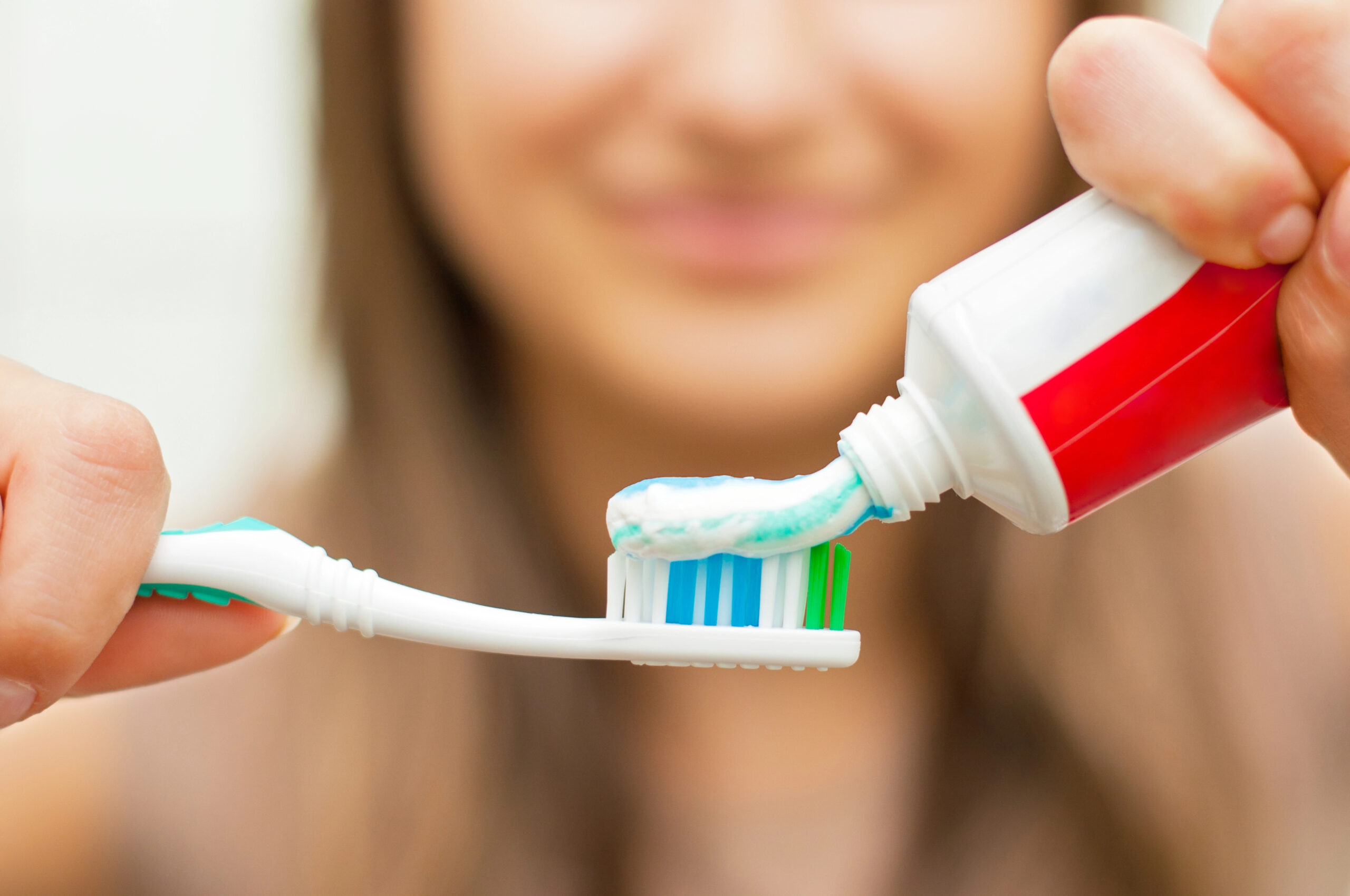
Brushing with fluoride toothpaste allows direct contact with enamel, strengthening teeth exactly where acid attacks occur. Drinking fluoridated water and brushing with fluoride toothpaste work together—they do not replace one another.
When Is Professional Fluoride Treatment Recommended?
Even patients who drink fluoridated water may benefit from professional fluoride application. Higher-strength fluoride varnish can provide additional protection for patients at increased risk of decay.
Common Myths About Fluoride
Myth: Fluoride in water is unsafe.
Fact: Fluoride levels are carefully regulated and monitored for safety.
Myth: Fluoride is unnecessary.
Fact: Fluoride significantly reduces cavity risk when used appropriately.
Friend or Foe?
For the vast majority of patients, fluoride is a friend. Used properly, it strengthens enamel, reduces cavities, and supports long-term oral health.
If you have specific concerns about fluoride in your water or dental products, the best step is a conversation. Your dental team can help you determine what level of fluoride exposure is right for you or your family.
Have Questions About Fluoride?
We’re happy to discuss your concerns and recommend a preventive plan tailored to your needs.
For informational purposes only.
We Accept

Apply for CareCredit in 5 minutes and get 0% interest financing for up to 12 month.

See Our Office